

The Mother Behind the Closed Curtains: Looking Back at My Postpartum Depression
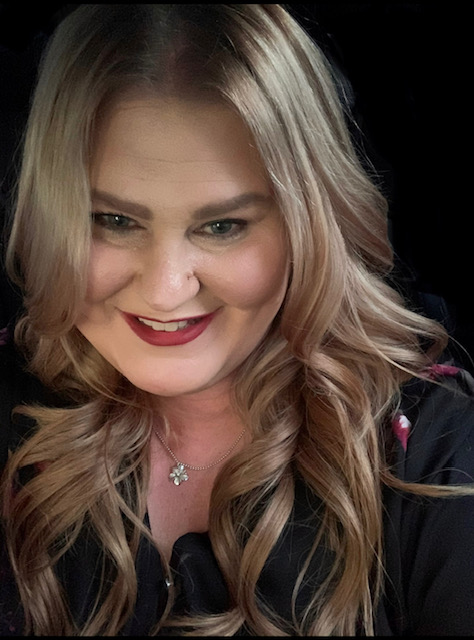

By: Kelley Cantos, MA, AMFT #153873
The recent death of Hayden Panettiere brought me back to a period of my life that I had not fully revisited in more than 10 years.
Hayden spoke publicly about her experience with postpartum depression at a time when many women still felt pressured to suffer quietly. Hearing people reflect on her openness made me think about the version of myself who did not yet have the language to understand what she was experiencing.
I can still picture her clearly.
She was sitting on the couch in the family room with the television on and all the curtains closed. She rarely opened them. Some days, she was sitting in the same place when her husband came home from work that she had been sitting when he left that morning.
That woman was me.
I had no desire to go anywhere or do anything. Most days, I only left the house because I had to pick up my older child from elementary school. She was five at the time, and although I tried to be present with her, my mind was somewhere else.
I was trapped in fear.
I became consumed by the thought that my new baby might stop breathing in his sleep. I woke up multiple times during the night to check whether he was still breathing. I made sure the ceiling fan was always on because I had heard it could help reduce the risk of SIDS. Eventually, my fear became so overwhelming that I often held him throughout his naps because that felt like the only way I could be sure he was safe.
My mind also created frightening scenarios about accidentally hurting him. What if I tripped while carrying him? What if I dropped him? What if something happened because I made a mistake?
These were not things I wanted to happen. They were unwanted, intrusive thoughts that left me feeling frightened and constantly on alert.
I loved my baby deeply. I also loved my older child and wanted to enjoy that season of our family’s life. I was so consumed by anxiety that it became difficult to be emotionally present. At times, I would cry alone in the dark without fully understanding why.
Some days, I smiled while hurting inside.
I Did Not Know I Needed Help
I was not a therapist then. I had never been to therapy, and I did not recognize what I was experiencing as postpartum depression or anxiety. I thought I was simply supposed to push through it.
Society often tells mothers that bringing home a new baby should be one of the happiest moments of their lives. We are expected to be grateful, glowing, connected, and completely in love with motherhood.
Because of those expectations, sadness and anxiety can become wrapped in shame.
I did love and cherish my baby. I was also overwhelmed, disconnected, anxious, and deeply sad. Both things were true.
Thankfully, my husband recognized that something was wrong, even when I could not name it myself. He encouraged me to join a workout group for moms. At first, my motivation was simple: we had paid for the classes, so I was going to attend them.
I pushed myself to go even when I did not feel like leaving the house.
Slowly, those classes became more than exercise. They brought me into the sunlight. They gave me somewhere to go and placed me in the company of other mothers. We talked about our experiences and discovered similarities that helped me feel less alone. Movement gave my body somewhere to put some of the anxiety it had been carrying.
Little by little, I started to feel like myself again. A year later, I even became an instructor.
That group became an important part of my healing, but looking back, I wish I had also received professional support. Therapy could have helped me understand what was happening by giving it a name. Knowing that I was experiencing postpartum depression and anxiety could have helped me make sense of my thoughts, emotions, and behaviors instead of believing I simply needed to push through them. Therapy also could have provided me with coping tools to manage the anxiety and intrusive thoughts while helping me feel seen and reassured that I was not failing as a mother.
Most importantly, it could have taught me that I did not have to go through it alone.
You Can Love Your Baby and Still Struggle
Postpartum depression and anxiety do not mean that someone does not love their child. They do not mean that someone is ungrateful, weak, or a bad mother.
A mother can cherish her baby and still feel overwhelmed.
She can feel grateful and still experience extreme sadness.
She can be attentive and loving while struggling with frightening thoughts.
She can smile in pictures while quietly feeling as though she is disappearing.
More than 10 years later, I can look back with language and understanding that I did not have then. I can recognize the depression, anxiety, isolation, and intrusive thoughts for what they were. I can also extend compassion to the younger version of myself who was doing the best she could without realizing that help was available.
I still experience anxiety at times, but today I have coping tools, support, and a better understanding of my mental health. I also know that identity in motherhood is not something we discover once and keep forever. It changes as our children grow and as we move through different seasons of life.
Sometimes we have to get to know ourselves again.
Hayden Panettiere’s willingness to speak openly about postpartum depression helped make this conversation more visible. As we remember her life, I hope we continue creating space for mothers to tell the truth about their experiences without judgment or shame.
We cannot always tell what someone is carrying by looking at her. We do not know who is sitting behind closed curtains, smiling while hurting, or trying desperately to convince herself that she should be okay.
If that person is you, it is okay to ask for help.
Tell your partner, a trusted family member, a friend, your physician, or a mental health professional what you are experiencing. You do not have to wait until things become unbearable, and you do not need to have the perfect words.
It is okay to say, “I do not feel like myself.”
It is okay to need support.
It is okay to love your child and not love every part of motherhood.
It is okay not to be okay.
You are still a good mother, and you deserve to be cared for, too.
Support is available: The National Maternal Mental Health Hotline offers free, confidential support 24 hours a day. Call or text 1-833-TLC-MAMA (1-833-852-6262). If you are experiencing a mental health crisis or need immediate emotional support, call or text 988. If you or someone else is in immediate danger, call 911.
This post reflects the author’s personal experience and is intended to encourage awareness and support. It is not a substitute for individualized medical or mental health care.


Comments